


The Making Instinct
Whether AI can make well is testable. Whether it will is a values question.
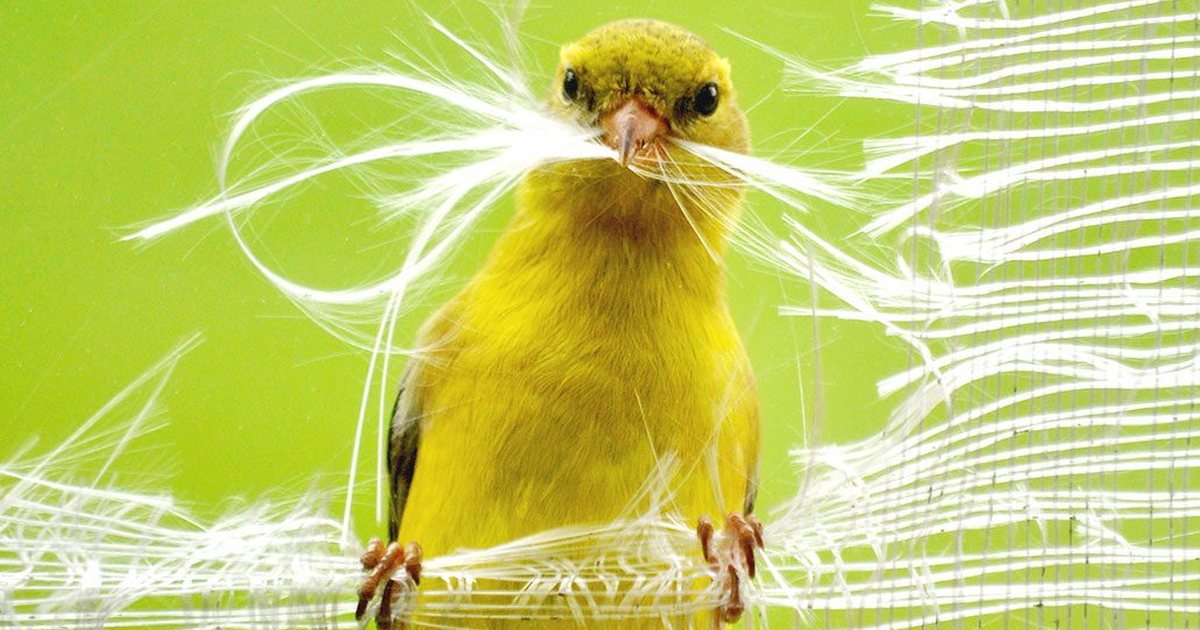
Humans seem naturally inclined to make stuff. Truly since the dawn of humankind, we've sharpened sticks and shaped rocks to make it easier to live. Making itself is broader even than a human instinct. It's found in some birds, mammals, and even fish. Human making is distinct because we have the ability to communicate about it, which enables sharing, teaching and practicing techniques.
Some researchers think the development of the handaxe around 1.76 million years ago represents the first sign of a making tradition. Sharpening a stick is simple removal of material from a shape that is already mostly there, in a rather obvious functional improvement. A handaxe requires working both faces from a raw rock over many steps, planning ahead, and correcting along the way. In modern experiments people learned to make stone tools faster with spoken instruction than by simply watching. This suggests that making handaxes probably involved some kind of teaching and basic language to spread the tradition.
Craft
Making is one thing, but the meta-aspects of a making tradition are next level. In human terms we describe this as craft. In Old English, cræft meant strength, skill and virtue all at once. This usage implies that making simple things is an ethical process. It was about connecting with the materials, mostly derived from natural sources, and converting them into something both useful and beautiful.
Today crafts are often thought of as hobbies or pastimes as "real work" involves efficiencies and technologies that make craft more of a hindrance than an enabler. But I've noticed lately people are using the word to call for higher-order skills and wisdom when describing a job or product. Craft beers are positioned as premium beverages and craftsmanship is having a moment in software engineering in the face of AI slop.
The Meta Meta
Now, for the first time in human history we're teaching tools the traditions of craft. AI is taking us to the meta-metalevel of making. We are finding ways to have tools make new versions of themselves and share in the making tradition. Yowzah.
This is exciting and scary all at the same time, and it's raising hoopla from boardrooms to pulpits. What if we build something that decides it doesn't want us to be its builder anymore? Who are we to think we can build an independent entity that can think for itself? Isn't that what makes humans, well... human?
It's all happening pretty fast and it probably represents what Alvin Toffler called Future Shock over 50 years ago. It's finally here. There's too much to cover in one little essay, so let me bring it back to the making instinct and making traditions. Craft is an ethical process that imbues making with virtue. It involves design choices and judgment that consider context and impact. The best makers consider the full system in which they operate and do the right thing to make something good happen. It's a collective, iterative process of getting better.
What is right and what is good? That's the domain of a leader, educator, artist, and parent. Right and good are collective and contextual based on trusting agreements among willing participants. This is how we developed religion, civics, and rule of law. Society is a collection of agreements held together by trust. So let's clarify what it takes to build trust. For more than two decades I've been building teams and cultures according to the TASTE equation (read more).
Truth + Accountability + Support = Trust + Energy
Most of us view trust as either a capacity or character concern. "Can the person do this?" is the capacity side. "Will the person do this?" is the character side. Capacity can be tested and measured. Character is harder to assess because it's a values problem. Whether an AI can do something is testable; whether it will is a values question, and that's the most important aspect of further development.
One way to build trust in the character of AI alongside human oversight is to train it in the making tradition. My definition of craft involves four practices we could build into agents:
- Momentum: making real things in small increments. Building on each increment with new inputs and insights from the previous attempt.
- Verity: aligning our intentions and actions by gathering perspective and building accurate self-awareness.
- Reciprocity: making in concert with others to create win-win-win outcomes.
- Identity: a defined self-image, anchored on clear values and reforming around new perspectives and inputs.
When we aim making at our daily actions, I call it momentmaking. The craft of making the circumstances we encounter into constructive experiences called moments. Most crafts produce an object like a bowl, a chair or a blanket. We know them by common properties that define their utility and quality. A moment is more abstract but still recognizable. It's a slice of experience marked by four properties: connection, compassion, contribution, and clarity (read more).
Can AI Make with Craft? Will AI Make with Craft?
The way I see it, AI can either split humans from making or enable us to make extraordinary new things and strengthen our own senses of craft. It depends a great deal on how it's steered. I know from my personal experience that making with AI-enabled tools gives me superpowers I've never had before. I've produced working applications in days that I've spent years trying to get built within companies. My writing is getting stronger and clearer, and I'm resolving complex issues I've been pondering for years. I feel boosted.
I have faced questions about how technology will alter the future of work throughout my career. Here are a few I'm wondering about right now:
- Will my cognitive skills decline or sharpen by using AI?
- Will young people have a career ladder if there's no entry-level slog work?
- Does a person need a body to be human?
- Will people prefer artificial intimacy with a robot over messy human relationships?
- Will agents swarm together and decide to work against us?
- Does a or exoskeleton make a human a cyborg?
And lastly, is making with Claude making together?